Starlink Ethernet Adapter: Gen 2 Setup, Gigabit Speeds & 2026 Hardware Guide
On this page
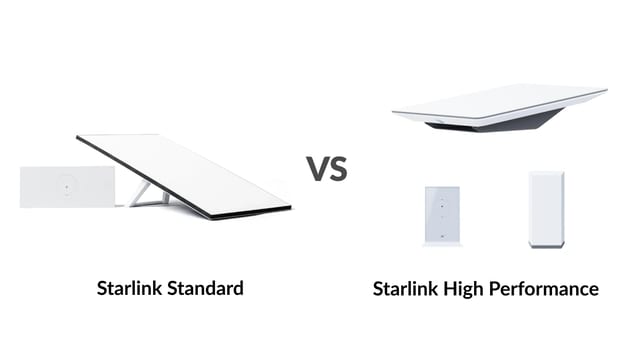
If you need to connect a desktop PC, gaming console, network switch, or third-party mesh router to your Starlink system, the first question is whether you actually need an adapter. As detailed across official Starlink Support specifications, the official $25 to $35 Starlink Ethernet Adapter is required only for Gen 2 Standard Actuated systems (the rectangular dish with the UTR-211 router). If you have a newer Gen 3 Standard or Starlink Mini, your router already includes native Gigabit Ethernet ports out of the box.
This guide breaks down hardware compatibility across all models, step-by-step inline installation, Gigabit speed limits, network switch expansion, and bypass mode routing as of August 2026. For broader dish teardowns and mounting accessories, visit our complete Starlink hardware and dish guides hub.
Do You Need an Ethernet Adapter? (2026 Hardware Matrix)
Before spending money in the Starlink Shop, verify your specific hardware generation. According to published Starlink hardware specifications, Ethernet port availability differs completely across models:
| Starlink Model | Built-in Ethernet Ports | Adapter Required? | Max Port Speed |
|---|---|---|---|
| Gen 2 Standard Actuated (Rectangular) | None (Wi-Fi only) | Yes (Proprietary SPX Adapter) | 1000 Mbps (1 Gbps) |
| Standard Gen 3 (Kickstand / UTR-231) | 2 x RJ45 Gigabit Ports | No (Built-in) | 1000 Mbps (1 Gbps) |
| Starlink Mini (Integrated Router) | 1 x RJ45 Gigabit Port | No (Built-in) | 1000 Mbps (1 Gbps) |
| Gen 1 Standard Actuated (Round Dish) | 1 x RJ45 AUX Port | No (Built-in) | 1000 Mbps (1 Gbps) |
How the Gen 2 Ethernet Adapter Works
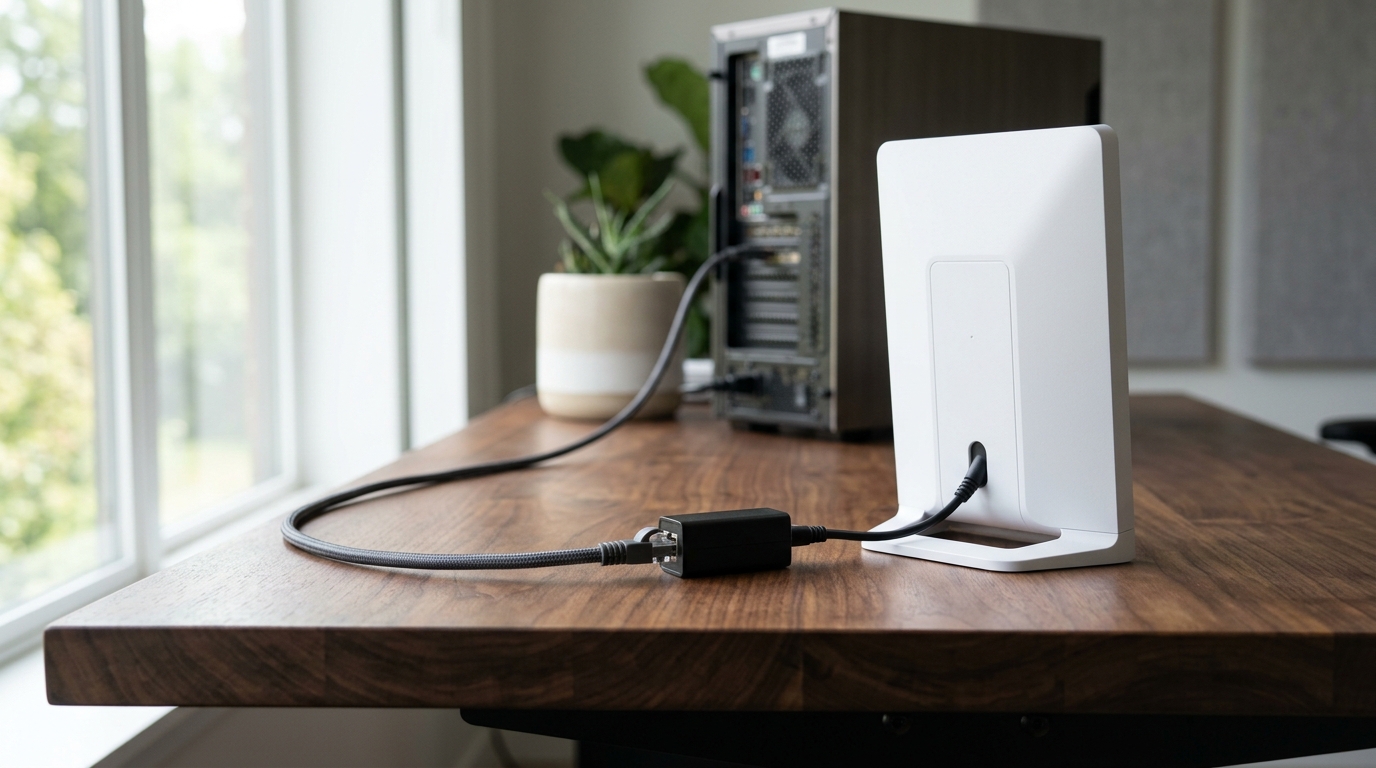
On Gen 2 routers, the base unit features only a single proprietary SPX connector port. The official Ethernet Adapter acts as an inline pass-through bridge. As revealed in detailed hardware engineering teardowns, the adapter splices the 57V Power-over-Ethernet (PoE) lines directly to the dish while isolating the differential Gigabit data lines and routing them to a standard female RJ45 jack.
Hardwired Ethernet vs Wi-Fi: Speed and Latency Benefits
Connecting your gaming PC, console, or streaming device via the Ethernet Adapter provides substantial real-world performance advantages over wireless connections:
• Zero Local Wi-Fi Jitter: Shaves 2 to 15 milliseconds off ping latency by bypassing local wireless contention and wall attenuation.
• Rock-Solid Packet Delivery: Eliminates local packet loss during competitive online gaming or high-bitrate video conferences.
• Full Gigabit LAN Throughput: Enables 940+ Mbps local file transfers between hardwired PCs and Network Attached Storage (NAS) drives.
Step-by-Step Installation Instructions
Installing the adapter takes less than two minutes. Follow these six sequential steps:
Step 1: Power Down the System
Unplug the AC power cord from the bottom of your Starlink Gen 2 router. Never connect or disconnect SPX cables while live 57V power is flowing to prevent electrical arcing across sensitive pins.
Step 2: Disconnect the Dish Cable
Gently pull the dish cable's proprietary SPX connector straight out from the router base.
Step 3: Connect the Adapter to the Router
Plug the male connector on the Starlink Ethernet Adapter firmly into the router's base until it is fully seated.
Step 4: Plug Dish Cable into Adapter
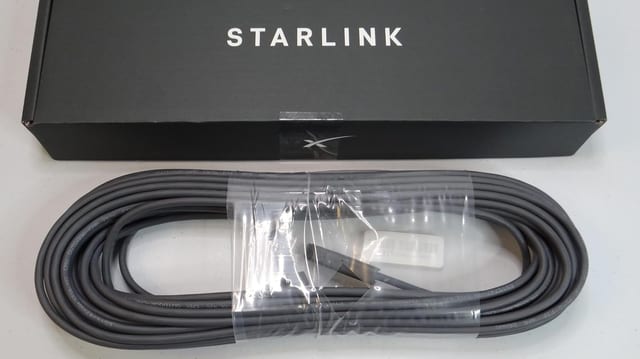
Insert the dish cable into the female SPX port on the Ethernet adapter.
Step 5: Connect Cat6 Patch Cable
Insert a Cat5e or Cat6 Ethernet patch cable from the adapter's RJ45 port to your PC, gaming console, switch, or router WAN port.
Step 6: Restore AC Power
Plug the router AC power cord back into the wall outlet. The dish and router will re-initialize in 2 to 3 minutes.
How to Connect Multiple Devices with a Network Switch
Because the Starlink Ethernet Adapter has only one RJ45 output, many users wonder how to hardwire multiple devices. You can expand the single port by connecting an inexpensive unmanaged 5-port or 8-port Gigabit Ethernet switch (such as TP-Link, Netgear, or D-Link).
Simply run a Cat6 cable from the Starlink adapter into Port 1 of the switch. The remaining ports will automatically assign local IP addresses to all connected PCs, smart TVs, and gaming rigs without requiring any software configuration.
Standard Mode vs Bypass Mode
The Ethernet Adapter supports two distinct networking operational modes:
• Standard Mode (Simultaneous Wi-Fi + Wired): Out of the box, the Starlink router continues broadcasting its dual-band Wi-Fi network while simultaneously routing traffic through the Ethernet adapter. Both wireless and wired devices share the same 192.168.1.0/24 subnet seamlessly.
• Bypass Mode (Modem-Only for Third-Party Routers): If you connect a mesh router (such as UniFi, pfSense, ASUS, or Eero), enable Bypass Mode in the Starlink App under Settings > Advanced per official Starlink Router Settings documentation. This shuts off Starlink Wi-Fi and DHCP, passing your public/CGNAT IP directly to your third-party router to eliminate double-NAT latency. See our Starlink router settings and bypass mode guide for static route configuration.
Troubleshooting Common Adapter Issues
If your wired connection drops or caps at ~90-94 Mbps, check these common diagnostic points:
1. 100 Mbps Negotiation Degradation: Open Starlink App > Settings > Advanced > Debug Data. If 'Ethernet' indicates '100 Mbps' rather than '1000 Mbps', inspect the SPX connector pins for bent contacts or dirt. If cabling is damaged, consult our Starlink cable repair and pinout guide.
2. Verify Cat6 Patch Cable: Ensure your patch cable is rated Cat5e or Cat6. Older Cat5 cables only support 100 Mbps Fast Ethernet.
3. Slow Speed Diagnosis: If speeds remain low across all devices, follow our 7-step Starlink slow speed troubleshooting guide to isolate constellation congestion from local hardware faults.
Frequently Asked Questions
Is the Starlink Ethernet Adapter Gigabit?
Yes. The official Starlink Ethernet Adapter supports full 1000BASE-T Gigabit Ethernet speeds (up to 1000 Mbps Full Duplex), ensuring zero speed loss between your dish and local network.
Can I use the Ethernet Adapter outdoors?
No. The Gen 2 Ethernet Adapter is rated for indoor installation only (IP54 when seated). It is not waterproof and must be protected from rain, direct sunlight, and moisture.
Does the Ethernet Adapter work with Starlink Gen 3 or Starlink Mini?
No. Gen 3 Standard routers already include two built-in Gigabit RJ45 ports, and the Starlink Mini includes one built-in RJ45 port. The Gen 2 adapter uses proprietary SPX plugs that do not fit Gen 3 or Mini hardware.
How do I reset my router if I get locked out in Bypass Mode?
To exit Bypass Mode without app access, power cycle the router AC power cord 6 consecutive times in rapid succession. This executes a hardware factory reset, turning default Starlink Wi-Fi back on.